

Buy Nicotine-Free Vapes in Dubai – Legal & Safe Options
💬 Join Telegram Group for ⭐ Reviews & 🔔 Updates H1: Where Can I Buy
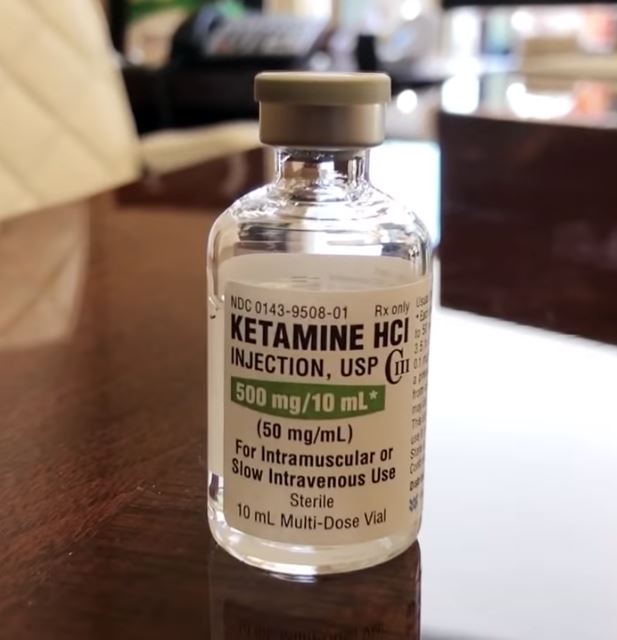
In 2026, the landscape of psychedelic substances has evolved significantly, with ketamine liquid emerging as a subject of both scientific interest and public curiosity. Whether you’re a researcher, a medical professional, or simply someone intrigued by the potential benefits and risks of ketamine, this guide aims to provide a comprehensive overview. We’ll explore what ketamine liquid is, how it works, its benefits and use cases, safety considerations, and how to get started safely. By the end, you’ll have a clear understanding of ketamine liquid and its implications in 2026.
Ketamine is a dissociative anesthetic that has been used in medical settings since the 1960s. It is known for its ability to induce a trance-like state while providing pain relief and sedation. Ketamine liquid, specifically, refers to the liquid form of ketamine, which can be administered intravenously, intramuscularly, or orally. In recent years, ketamine has gained attention for its potential therapeutic benefits in treating depression, anxiety, and chronic pain.
Ketamine works by blocking NMDA receptors in the brain, which are involved in synaptic plasticity and memory formation. This action leads to a dissociative state, where the user feels detached from their surroundings and experiences altered perceptions. The exact mechanisms by which ketamine exerts its therapeutic effects are still being studied, but it is believed to promote neuroplasticity and modulate neurotransmitter systems, including glutamate and dopamine.
Ketamine has shown promise in several therapeutic areas:
While ketamine has therapeutic potential, it also carries risks. Common side effects include:
Long-term use of ketamine can lead to cognitive impairment, bladder problems, and dependence. It is essential to use ketamine under medical supervision to minimize these risks. In Dubai and the UAE, the legal status of ketamine is strictly regulated, and its possession and use without a prescription are illegal. Always consult with a healthcare provider before considering ketamine therapy.
If you are considering ketamine therapy, follow these steps:
Avoid these common mistakes when considering ketamine therapy:
Ketamine liquid is a form of ketamine that can be administered intravenously, intramuscularly, or orally. It is used for its anesthetic and therapeutic properties.
Ketamine works by blocking NMDA receptors in the brain, leading to a dissociative state and altered perceptions. It also promotes neuroplasticity and modulates neurotransmitter systems.
Ketamine has shown promise in treating depression, anxiety, chronic pain, and PTSD. It can provide rapid relief for individuals who struggle with these conditions.
The legal status of ketamine in Dubai and the UAE is strictly regulated. Possession and use without a prescription are illegal. Always consult with a healthcare provider before considering ketamine therapy.
Common side effects of ketamine include dissociation, increased heart rate and blood pressure, nausea, vomiting, hallucinations, and delusions. Long-term use can lead to cognitive impairment and bladder problems.
Always use ketamine under medical supervision. Follow the prescribed dosage and administration guidelines provided by your healthcare provider and report any side effects or concerns immediately.
While it is possible to find ketamine liquid online, it is essential to ensure that you are purchasing from a reputable source and have a valid prescription. Always prioritize safety and legality when considering online purchases.
If you experience side effects from ketamine, report them to your healthcare provider immediately. They can adjust your treatment plan or provide additional support as needed.
Ketamine liquid offers promising therapeutic benefits for various mental health and pain conditions. However, it is crucial to approach ketamine therapy with caution, under the guidance of a qualified healthcare provider. If you are considering ketamine therapy, [Shop now] to explore more options and consult with a professional to determine if it is the right choice for you. Always prioritize safety and legality when exploring new treatment options.
💬 Join Telegram Group for ⭐ Reviews & 🔔 Updates H1: Where Can I Buy

💬 Join Telegram Group for ⭐ Reviews & 🔔 Updates H1: Where to Find Low

💬 Join Telegram Group for ⭐ Reviews & 🔔 Updates H1: Can You Legally Ship
WhatsApp us